
Why luck matters in the casino: A deep dive
The Concept of Luck in Gambling
Luck stands as a cornerstone of the gambling experience, especially within the casino environment, where the element of chance is paramount. Unlike games that hinge on player skill, many casino offerings, such as slot machines and roulette, rely on random outcomes to determine wins and losses. Players looking for thrills can explore options like $20 neosurf casino australia real money , which further amplifies the excitement and uncertainty. This randomness not only generates excitement but also creates a sense of suspense, as players are often left wondering whether fortune will smile upon them with each roll of the dice or spin of the wheel. In this way, luck isn’t simply a backdrop; it’s an integral part of the entire gambling experience that shapes player behavior and expectations.
The perception of luck becomes even more significant when considering the psychological aspects of gambling. Many players develop a belief in their personal luck, often attributing wins to their skill or charm rather than sheer chance. This belief can lead to a pattern of behavior known as “lucky thinking,” where individuals act on the notion that they are somehow favored by fortune. As players navigate through games, the concept of luck influences their betting strategies, pushing them to take risks that may not always be rational. This psychological interplay creates a fascinating dynamic where luck transforms from a mere concept into a driving force behind decisions.
Moreover, the culture within casinos serves to reinforce the importance of luck, as stories of remarkable wins and serendipitous moments circulate among players. These narratives contribute to an atmosphere rich in myth and shared experience, where individuals bond over tales of fortuitous outcomes. This social interaction amplifies the thrill of gambling, as each player hopes to forge their own destiny in the unpredictable world of chance. In essence, luck not only shapes individual experiences but also weaves a communal fabric that enhances the allure of the casino environment.
The Role of Randomness in Casino Games
At the heart of casino games lies the principle of randomness, which is crucial for ensuring fairness and excitement. The randomness in games like blackjack, poker, and slots is often meticulously crafted through random number generators or physical mechanisms, ensuring that no outcome is predetermined. This unpredictability is what attracts players, as each game offers the tantalizing possibility of a win that is entirely up to chance. The thrill of not knowing whether the next bet will lead to a jackpot or a loss keeps players on the edge of their seats, making every moment in the casino an electrifying experience.
The house advantage is a fundamental aspect of casino operations, indicating that while players may experience short-term victories, the long-term outcome typically favors the casino. Each game is designed with a calculated return-to-player percentage, which assures profitability for the establishment. However, amidst these mathematical probabilities, luck remains a wild card, allowing players to occasionally defy the odds. A single fortunate hand in poker or a lucky spin on a slot machine can lead to unexpected wins, demonstrating how luck can momentarily disrupt the expected statistical outcomes.
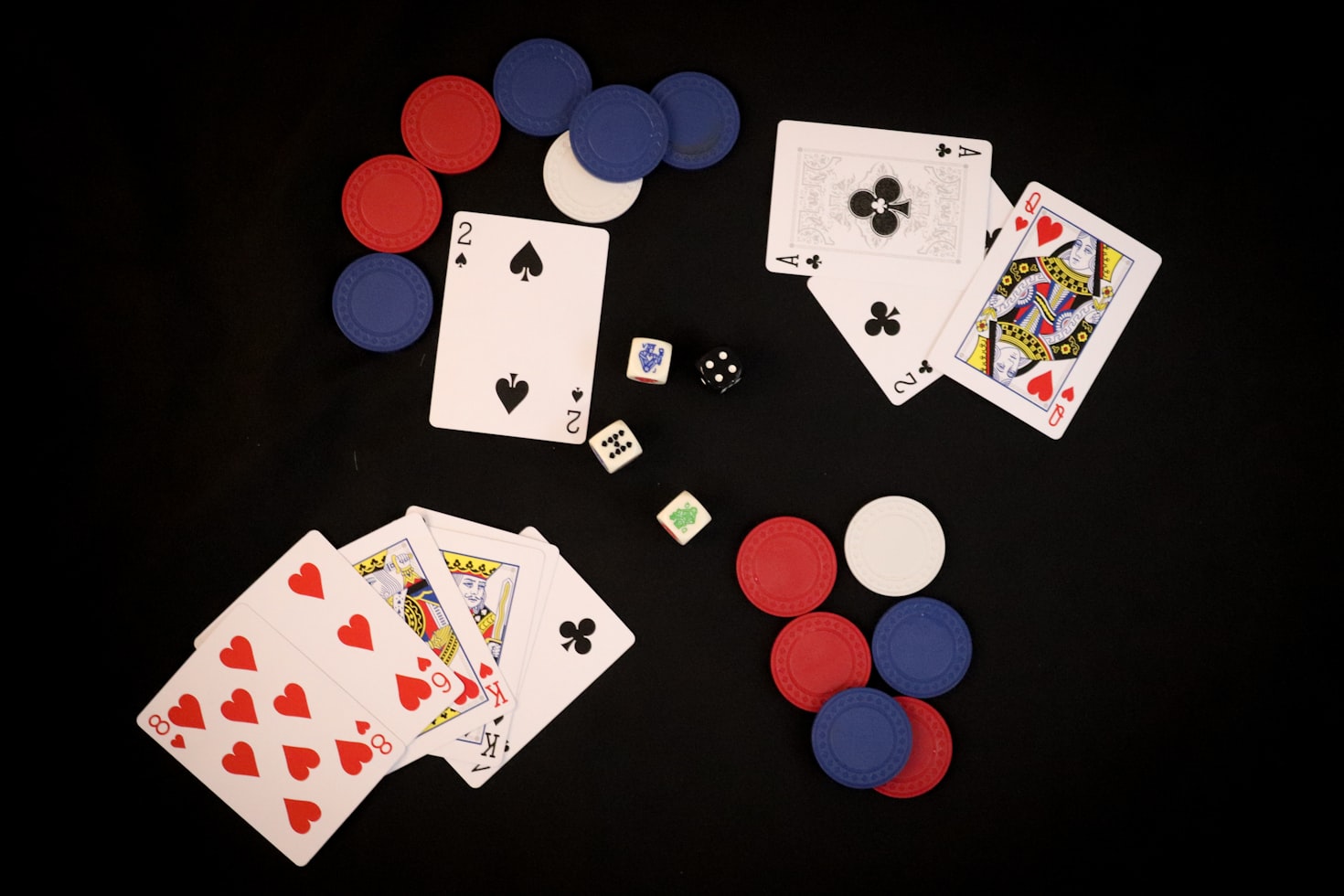
This element of randomness not only fuels the excitement of gameplay but also invokes a rollercoaster of emotions among players. The anticipation of awaiting game results can lead to a mix of exhilaration and anxiety, creating a unique gambling atmosphere. Players often find themselves immersed in a captivating blend of hope and fear, which enhances their overall experience. Ultimately, the role of randomness in casino games underscores the critical interplay between chance, excitement, and player engagement, making it a vital component of the gambling landscape.
The Psychological Aspects of Luck
The psychological dimensions of luck significantly shape the gambling experience, with various cognitive biases influencing players’ perceptions of probability. One prevalent phenomenon is the “gambler’s fallacy,” where individuals mistakenly believe that previous outcomes can impact future results in random games. For instance, if a player observes a specific number not appearing for several spins, they might irrationally conclude that it is “due” to show up soon. This fallacy illustrates how the belief in luck can cloud judgment, leading players to make decisions based on emotion rather than logic.
Additionally, many gamblers engage in “lucky rituals” to enhance their perceived chances of winning. These rituals can vary widely, from wearing specific clothing to employing particular betting strategies. Such behaviors provide psychological comfort and a semblance of control in an unpredictable environment. When players attribute their fortunes to these rituals, they deepen their emotional investment in the game, creating a powerful connection between luck and personal belief systems. This intertwining of luck and ritual plays a crucial role in shaping gambling behavior.
Understanding the psychological aspects of luck reveals a complex relationship between chance, belief, and decision-making. Players often find themselves caught in a cycle where the hope of favorable outcomes drives them to gamble longer than intended. This dynamic creates an engaging environment where the unpredictable nature of luck melds with the psychological intricacies of belief, making the casino experience a rich tapestry of human behavior and emotion.
The Influence of Luck on Casino Design and Marketing
Luck is not only a critical component of the games themselves but also profoundly influences how casinos are designed and marketed. The ambiance of a casino is meticulously crafted to evoke feelings of excitement and anticipation. Bright lights, engaging sounds, and visually stunning architecture are all designed to create a stimulating environment that heightens the perception of luck. This carefully orchestrated atmosphere plays a crucial role in attracting players, making them feel as though they are entering a realm where fortune could favor them at any moment.
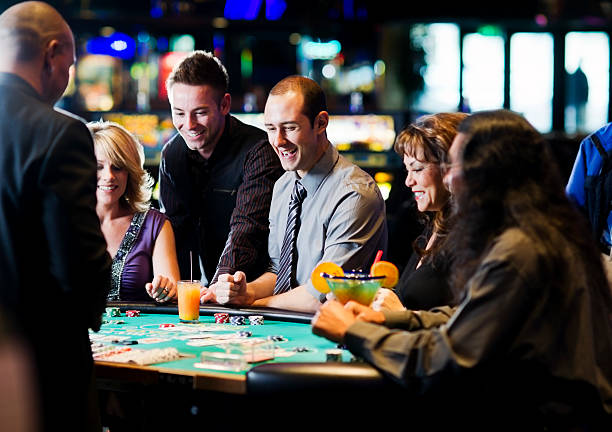
Marketing strategies employed by casinos often hinge on the allure of luck and the dream of hitting it big. Advertisements frequently showcase images of jubilant winners and life-changing jackpots, creating an aspirational narrative that resonates with potential customers. This portrayal reinforces the belief that anyone can become the next big winner, appealing to the hope and excitement that drive people to gamble. By leveraging the concept of luck, casinos successfully attract a diverse clientele, ranging from thrill-seekers to those dreaming of financial freedom.
In summary, the influence of luck on casino design and marketing is multifaceted and deeply integrated. By fostering an atmosphere that celebrates potential fortune and crafting narratives around luck, casinos not only enhance the player experience but also drive profitability. This strategic alignment of design, marketing, and the concept of luck ensures that players remain engaged and excited about the unpredictable nature of gambling.
Understanding Casino Culture and Luck
The culture surrounding casinos is heavily shaped by the concept of luck, which influences the behaviors and expectations of players. This culture often fosters a sense of community, where individuals share their experiences of winning and losing. Gamblers frequently exchange stories about their lucky moments and personal rituals, creating a rich tapestry of shared experiences. This social interaction enhances the thrill of the game, as players often feel emboldened to take risks when surrounded by like-minded individuals who share their passion for chance.
Furthermore, casino culture embraces a variety of beliefs and superstitions linked to luck. Players may have specific numbers they consider lucky or rituals they perform to avoid bad fortune. These practices are often passed down through generations, becoming ingrained in the fabric of casino life. By engaging in these rituals, players find ways to cope with the inherent risks of gambling, using cultural beliefs to guide their decisions and navigate the unpredictable landscape of luck.
Ultimately, the interplay between casino culture and luck is reciprocal. While luck draws players to games, it is the rich cultural context—the community, the shared stories, and the superstitions—that sustains their interest. This dynamic environment not only captivates players but also reinforces the significance of luck in the overall casino experience, ensuring it remains a vibrant and enduring aspect of gambling culture.